RIFFLEKIN FIELD GUIDE · EASTERN SIERRA

Mammoth Lakes fishing guide

A practical starting point for planning a trout trip around Mammoth Lakes and nearby Eastern Sierra waters: seasonal notes, location-specific tackle ideas, and links to the map and current rules.

Compare local watersOpen the Basin map

GET ORIENTED

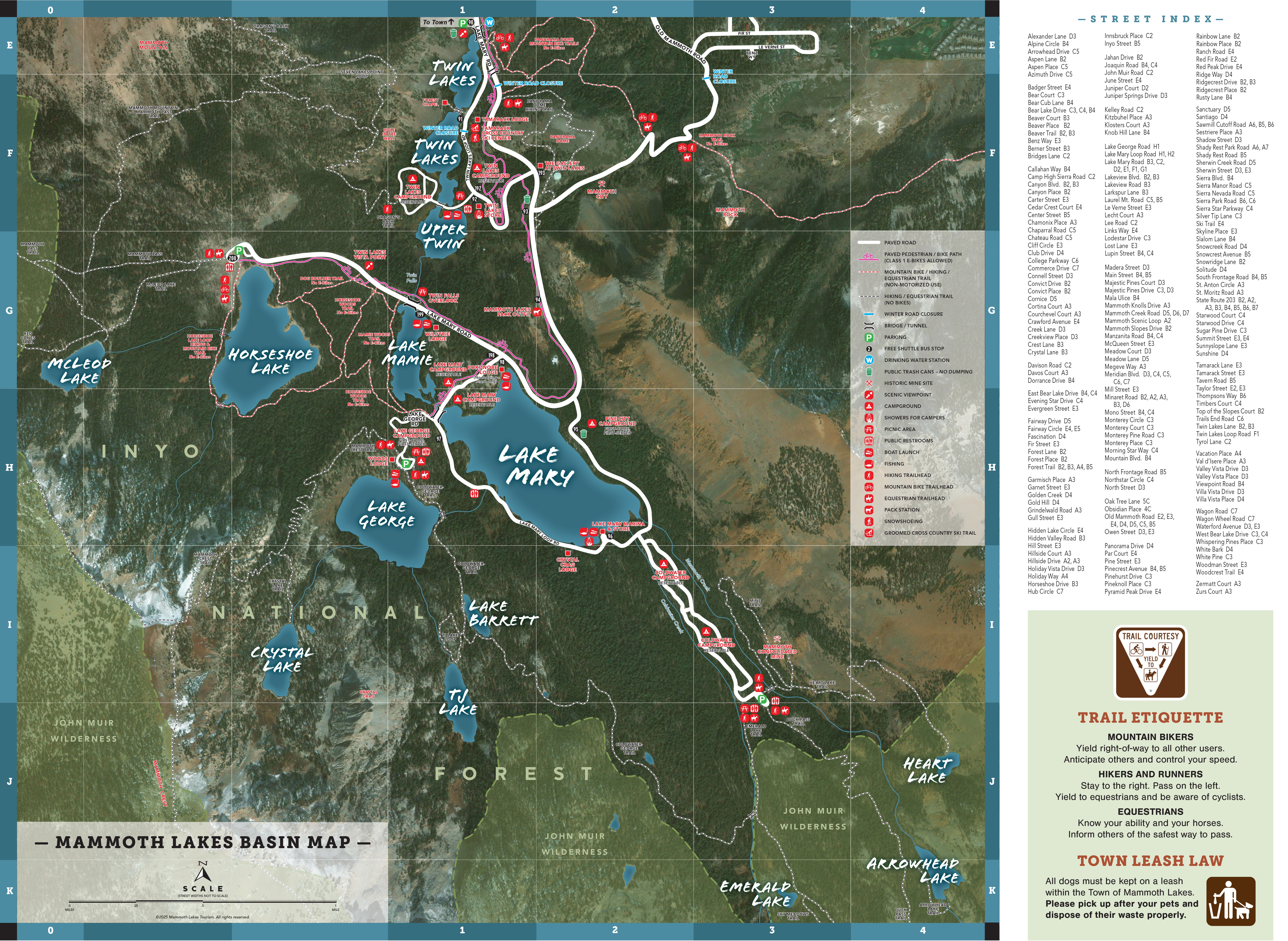
Mammoth Lakes Basin map

Visit Mammoth publishes the official Basin map. Open the source map directly, or visit its maps page for the latest map resources.

Official Mammoth Lakes Basin map

Map published by Visit Mammoth. The map opens from its source in a new tab.

A YEAR ON THE WATER

Seasonal trout notes

These are general tackle ideas, not a report of current conditions. They are informed by Visit Mammoth’s seasonal tackle guide. Access, hatches, and effective patterns vary by water and weather.

SPRING

Spring

High-country access and conditions can vary as snow lingers. Keep plans flexible; bait options such as eggs or worms and small nymphs or streamers can suit different waters when permitted.

SUMMER

Summer

When conditions allow, lakes and streams offer different ways to fish. Small spinning lures are a practical starting point, while dry-fly options such as caddis or attractor patterns can match surface activity.

FALL

Fall

Cooler water can bring more trout activity, though local conditions still vary. Try earth-tone lures or darker streamers, with a small nymph or egg pattern as a subsurface option where allowed.

WINTER

Winter

Access is limited to selected waters and can change with conditions. Small subsurface patterns—such as nymphs, midges, eggs, or compact streamers—are useful starting points; check current access and rules first.

SIX NEARBY OPTIONS

Local waters around Mammoth Lakes

Compare the water, access, and a few tackle ideas before choosing a stop. These recommendations are adaptable starting points, not current bite reports or promises; conditions and permitted tackle vary by location and date.

Mammoth Lakes

Setting: The Mammoth Lakes Basin groups several different lakes close together, with shore, boat, and float-tube options.
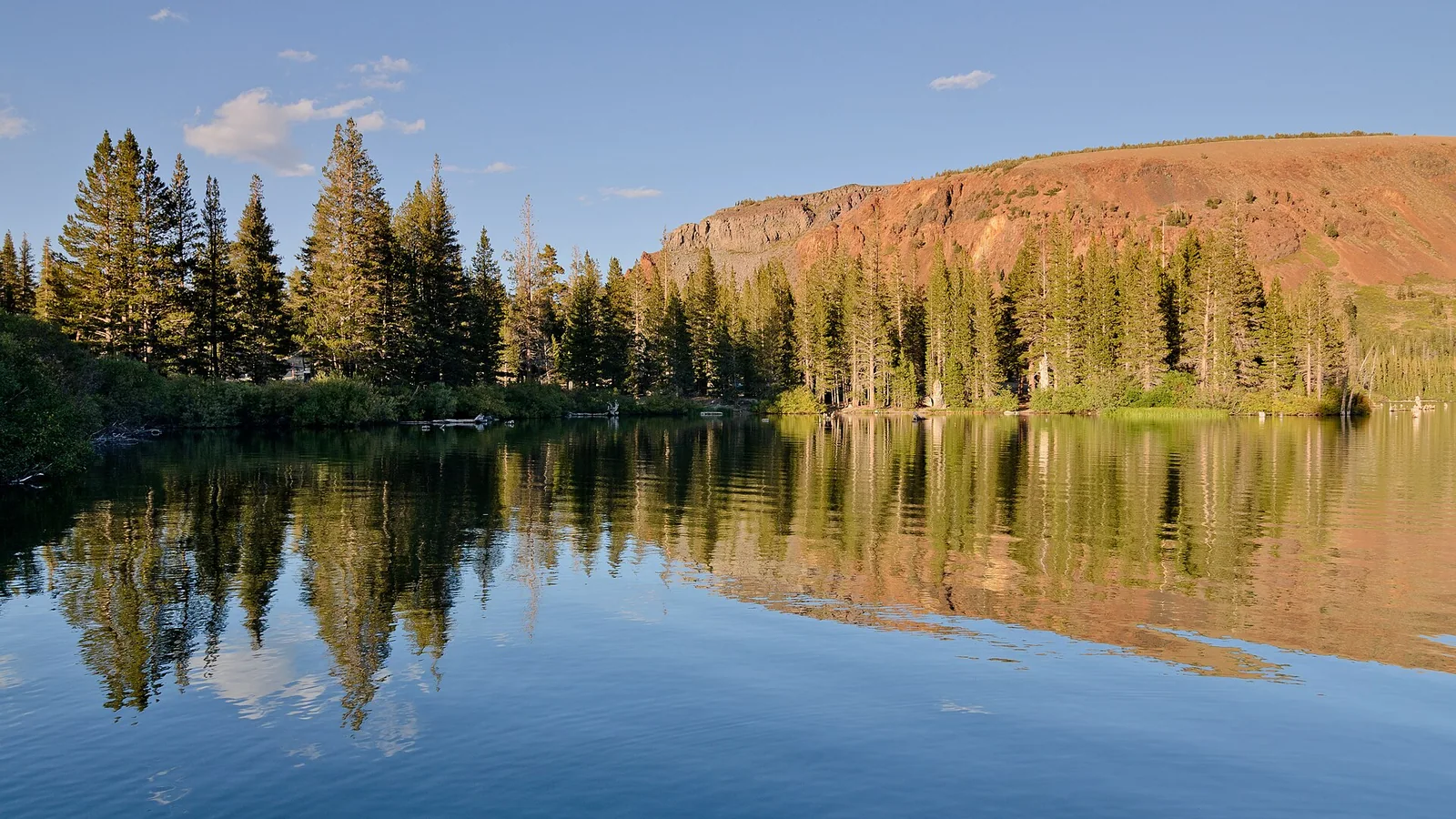
Try / pack: Start with light spinning tackle and small spoons or spinners, or pack Woolly Buggers and nymphs for fly fishing. Try different depths and presentations from lake to lake.

Visit Mammoth Basin fishing guide
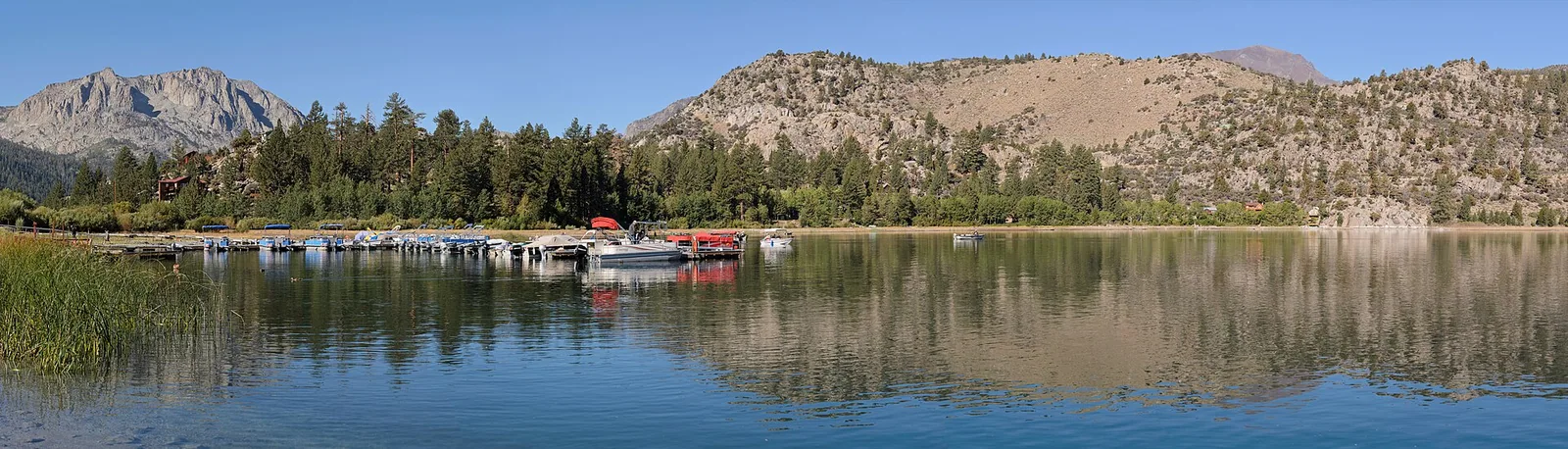
June Lake

Setting: The June Lake Loop includes June, Gull, Silver, and Grant lakes; Rush Creek is a separate moving-water option.

Try / pack: Try small spoons or spinners from shore, or fish the lakes from a boat or float tube with adjustable depth. For Rush Creek, pack small dry flies and nymphs and match your presentation to the flow.

Visit Mammoth fishing overview

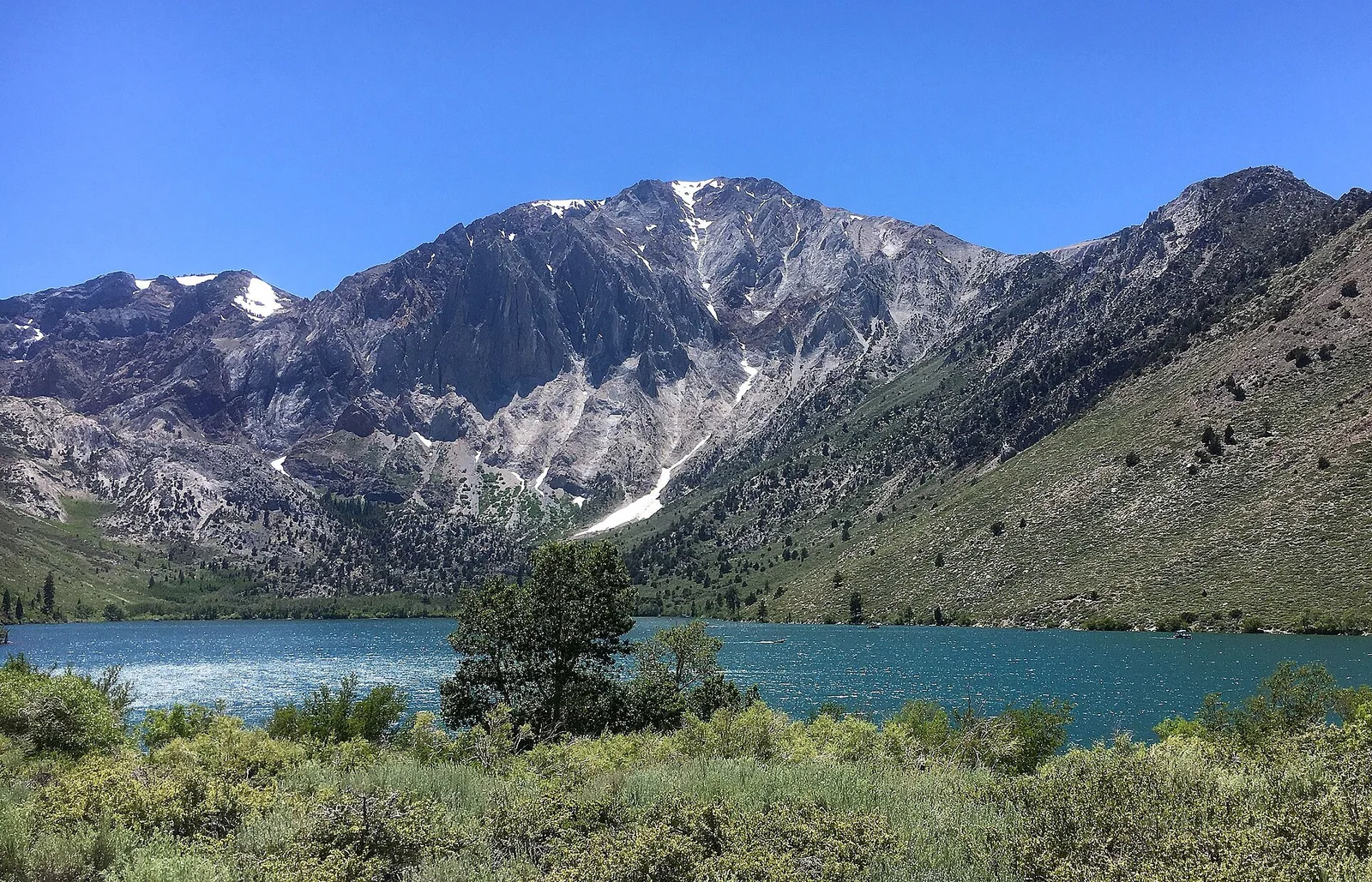
Convict Lake

Setting: Clear water, a trail around the shoreline, and boat options give anglers several ways to explore the lake.

Try / pack: Use lighter line and a subtle, natural presentation. Small spoons or spinners and small natural fly patterns are adaptable starting points.

Visit Mammoth Convict Lake guide

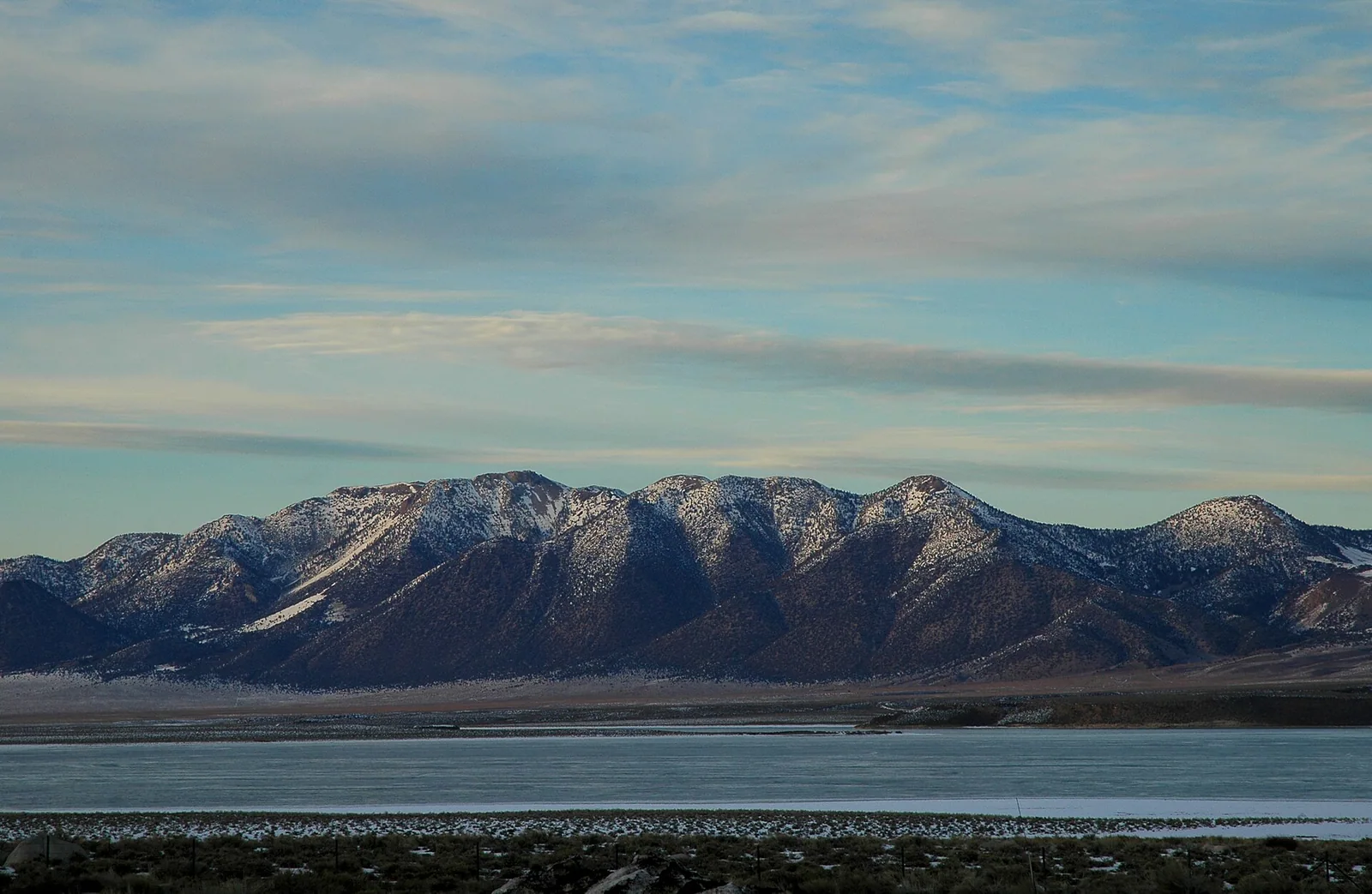
Crowley Lake

Setting: This large stillwater reservoir has shore access in several areas as well as boat options for covering more water.

Try / pack: Fly anglers can pack chironomid or midge patterns and adjustable-depth stillwater nymph rigs. Spinners or trolling can be options where current rules allow. Check wind and water conditions before boating, wear a properly fitted PFD, and stay ashore or return early if conditions worsen.

Visit Mammoth Crowley Lake guide

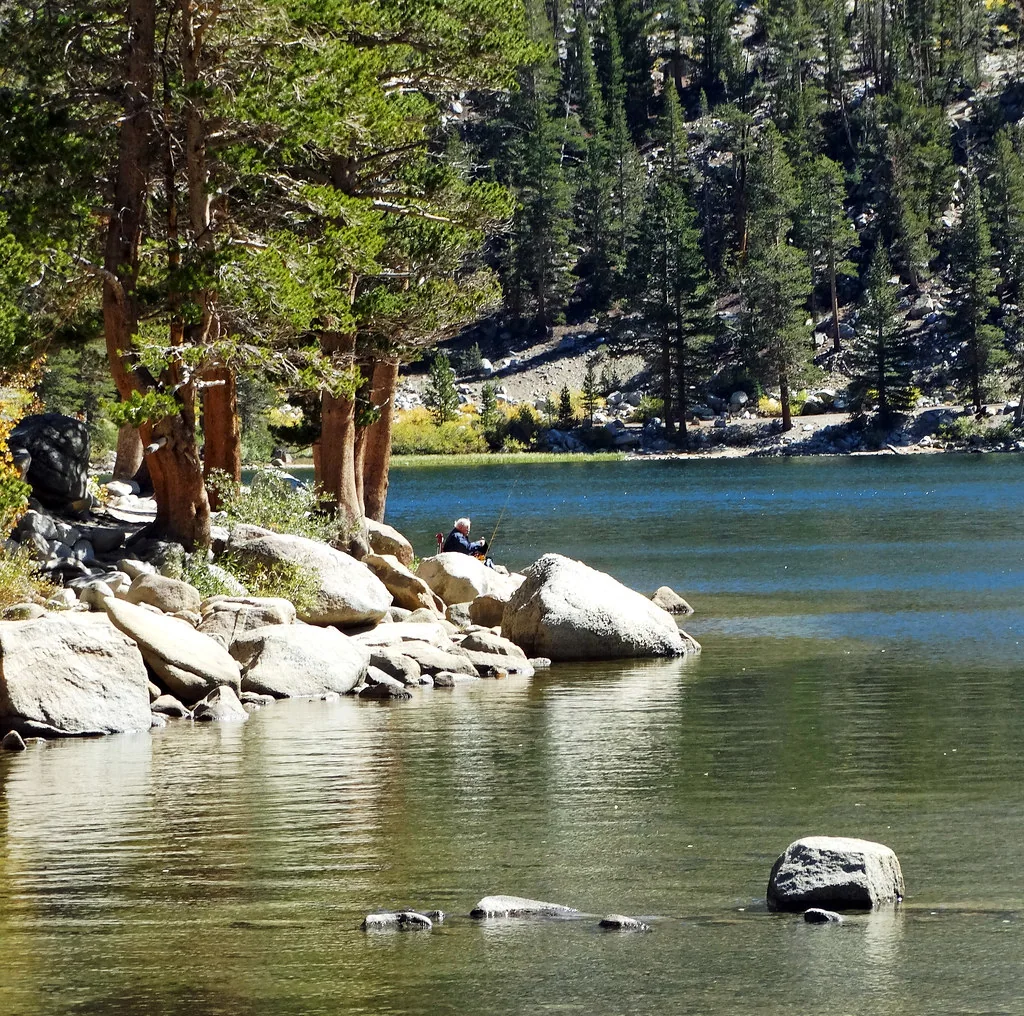
Rock Creek Lake

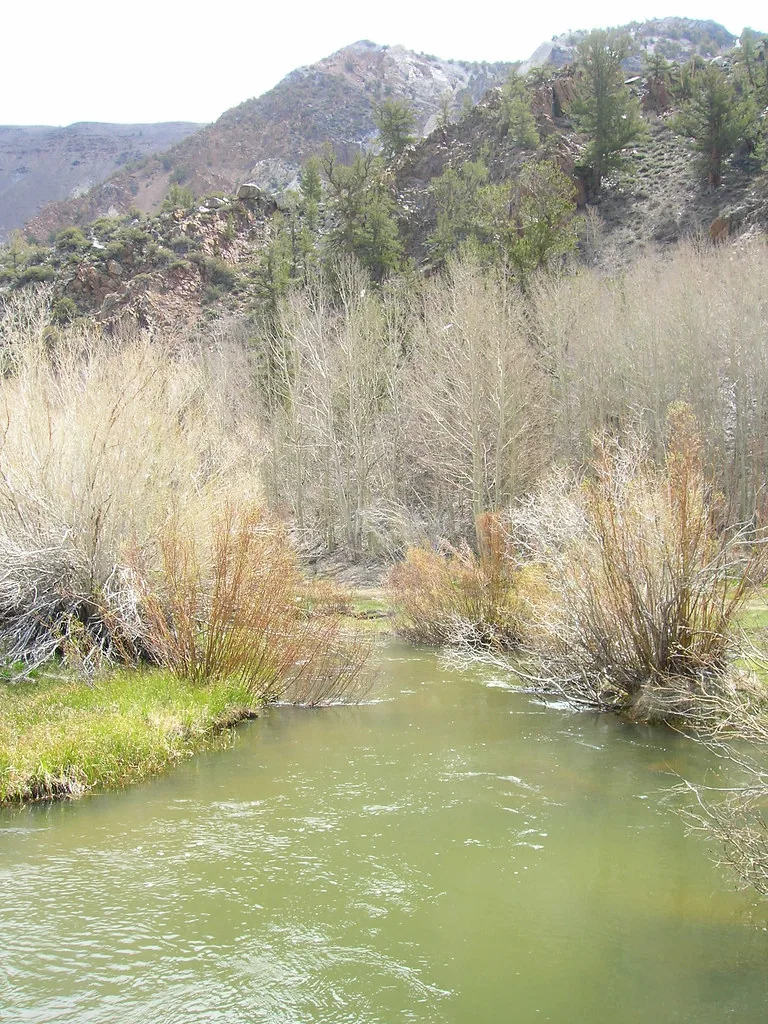
Setting: The alpine lake is stillwater; nearby Rock Creek has moving water, including pockets and seams. A local general store offers fishing tackle and pole rentals.

Try / pack: Try small lures or spoons on the lake. For creek pockets and seams, pack small dry flies or nymphs and adjust to flow and visible activity.

Visit Mammoth fishing overview

Virginia Lakes

Setting: Choose from drive-to lakes or hike-to alpine lakes; Virginia Creek also offers a small-stream option. Shore fishing, float tubes, canoes, and other non-gas-powered craft are options. Check road and trail conditions before a higher-elevation outing.

Try / pack: A compact light spinning setup with small lures suits lake edges. For Virginia Creek, pack a light fly setup with small dries and nymphs.

Mono County Virginia Lakes guide

PACK WITH PURPOSE

Tackle by water type

Start with a versatile setup and adjust to the water, season, and current rules. These are practical suggestions, not a promise of catches or a product recommendation.

STILLWATER

Mammoth Lakes Basin stillwater

For lake edges and other stillwater settings.

A light spinning setup with a selection of small spoons and spinners is a simple starting point. Fly anglers can pack a few small nymphs or streamers to fish at a depth that fits the conditions.

MOVING WATER

Nearby moving water

Choose patterns for the water in front of you.

Bring small nymphs and dry flies for fly fishing, with a compact streamer as another option when conditions suit it. Match size and presentation to current flow and visible insect activity.

BEFORE YOU GO

Check the current rules for your water

California rules differ by water and can change. Check the current regulations and access conditions for the specific place you plan to fish before heading out.